



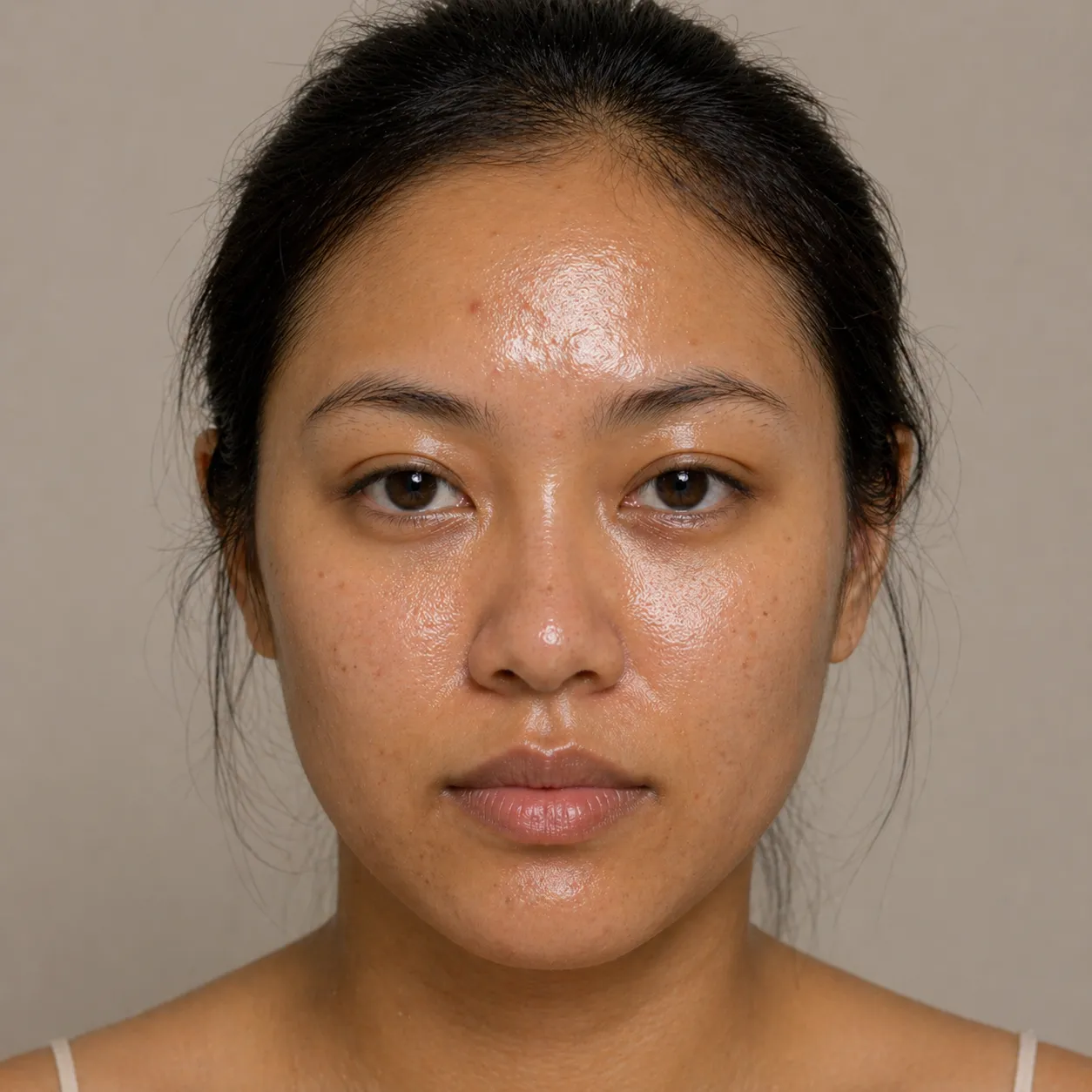


Why acne care starts with clogged pores and inflammation
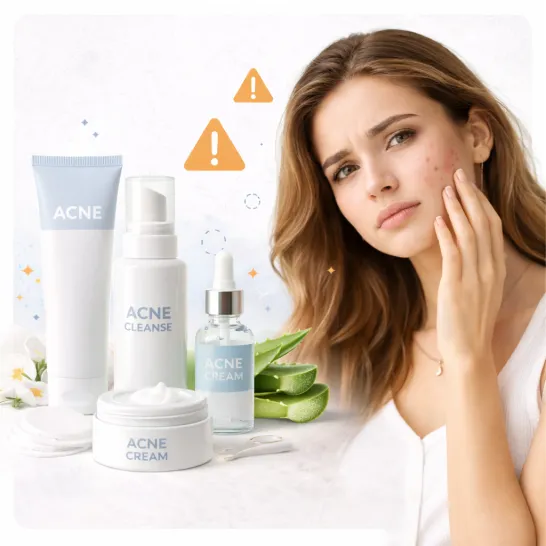
Recent dermatology guidance still supports ingredients such as benzoyl peroxide, topical retinoids, salicylic acid, and azelaic acid for acne-prone skin.
Skin & Hair Care
Care Devices
Glow and shine
Massage & Relaxation
Health Monitors
Slimming and sculpting
Acne and facial skin
Dark circles
Start with a plan or explore your concern
✦ Scientifically backed ✦ Free plan ✦ Results in 3 min
Upload a clear selfie in good natural lighting for the most accurate analysis.
Click to upload or drag & drop
JPG or PNG · Max 5 MB
10 skin concerns · tap to explore

Hydration products for dry-feeling skin.

Under-eye care for tired-looking eyes.

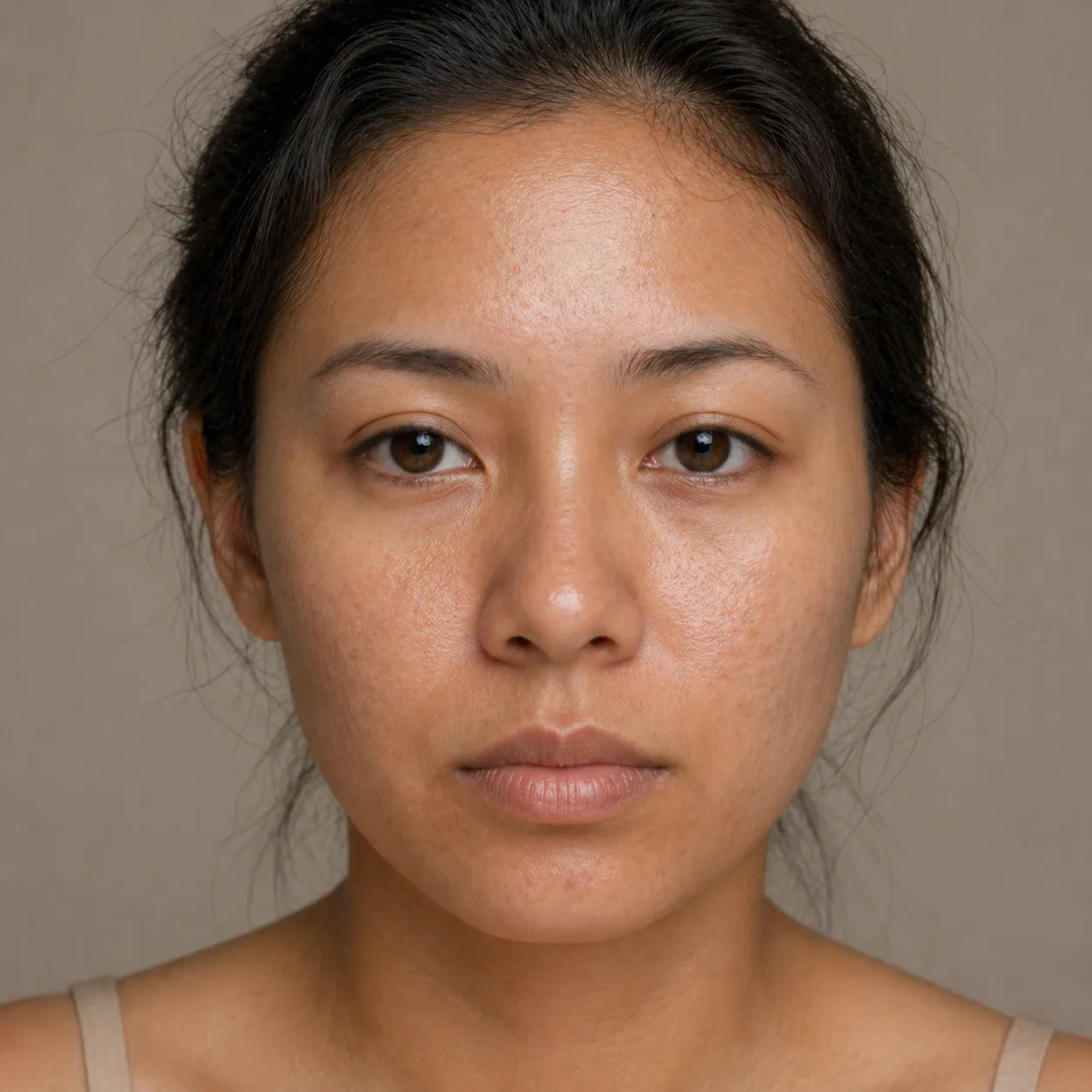
Clear-skin products for blemish-prone skin.

Firming and glow-support skincare.

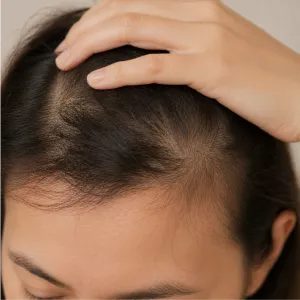
Scalp care for stronger-looking hair.

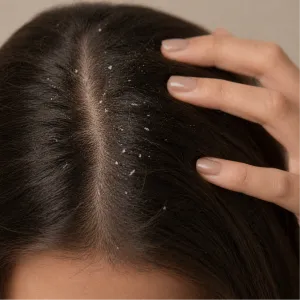
Scalp comfort and flake-control products.

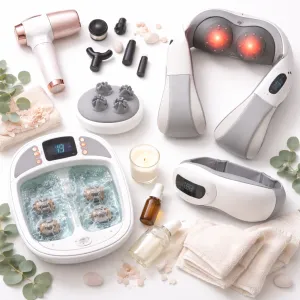
Massage and stress-relief self-care tools.
Recent dermatology guidance still supports ingredients such as benzoyl peroxide, topical retinoids, salicylic acid, and azelaic acid for acne-prone skin.
Anti-aging routines are strongest when they combine evidence-backed actives such as retinoids, antioxidants, peptides, hydration, and daily sun protection.
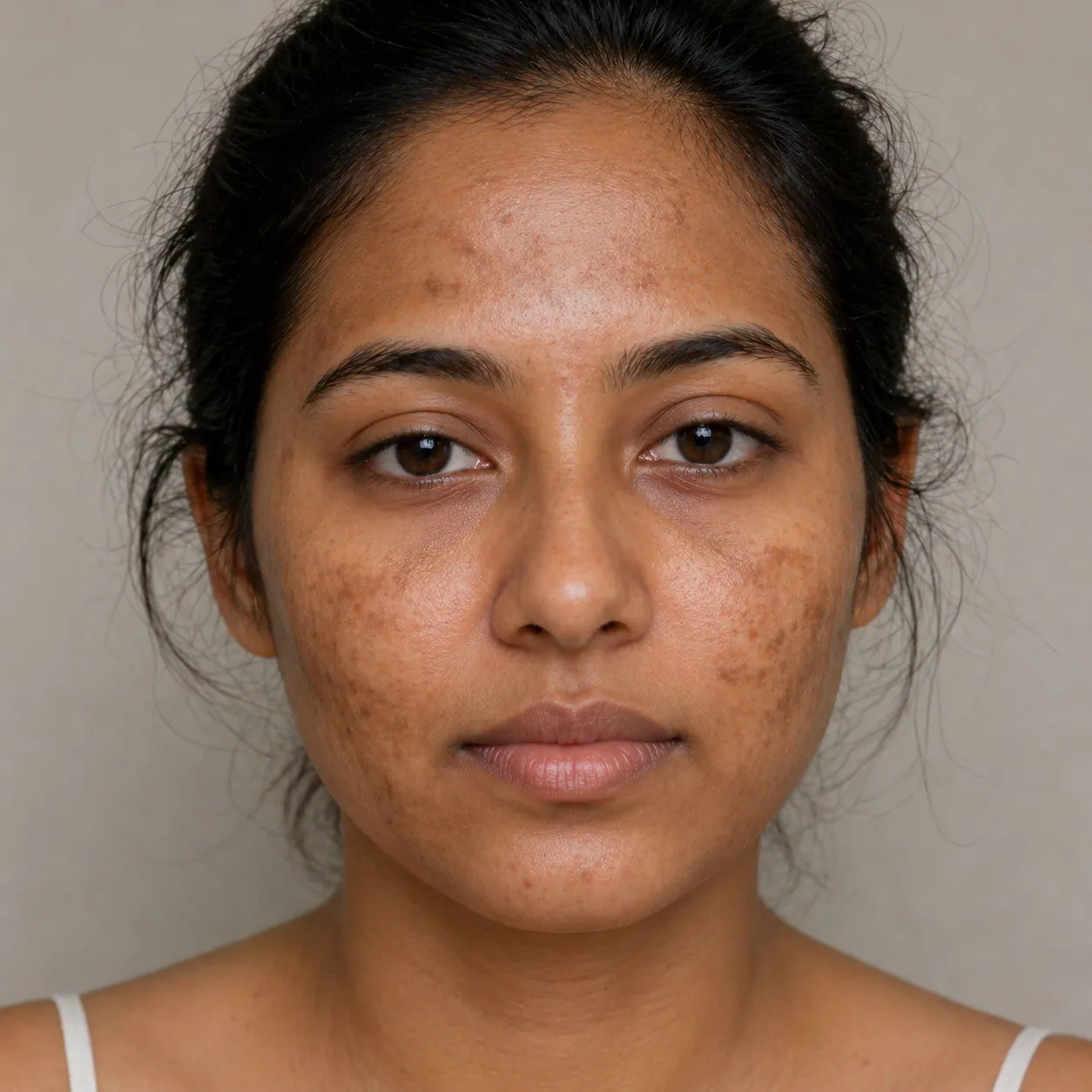
Brightening research commonly focuses on melanin-transfer control, antioxidant protection, exfoliation balance, and strict UV protection.
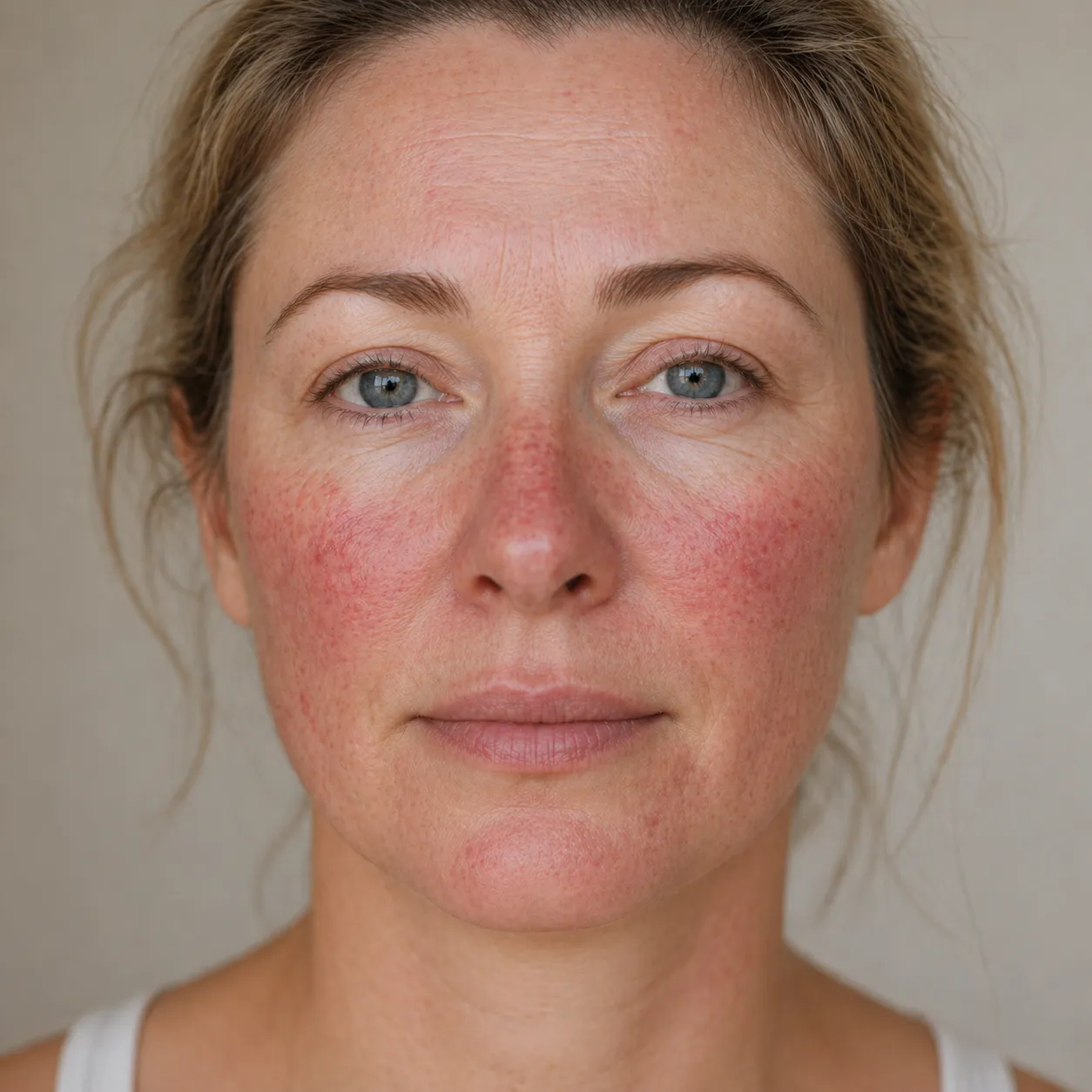
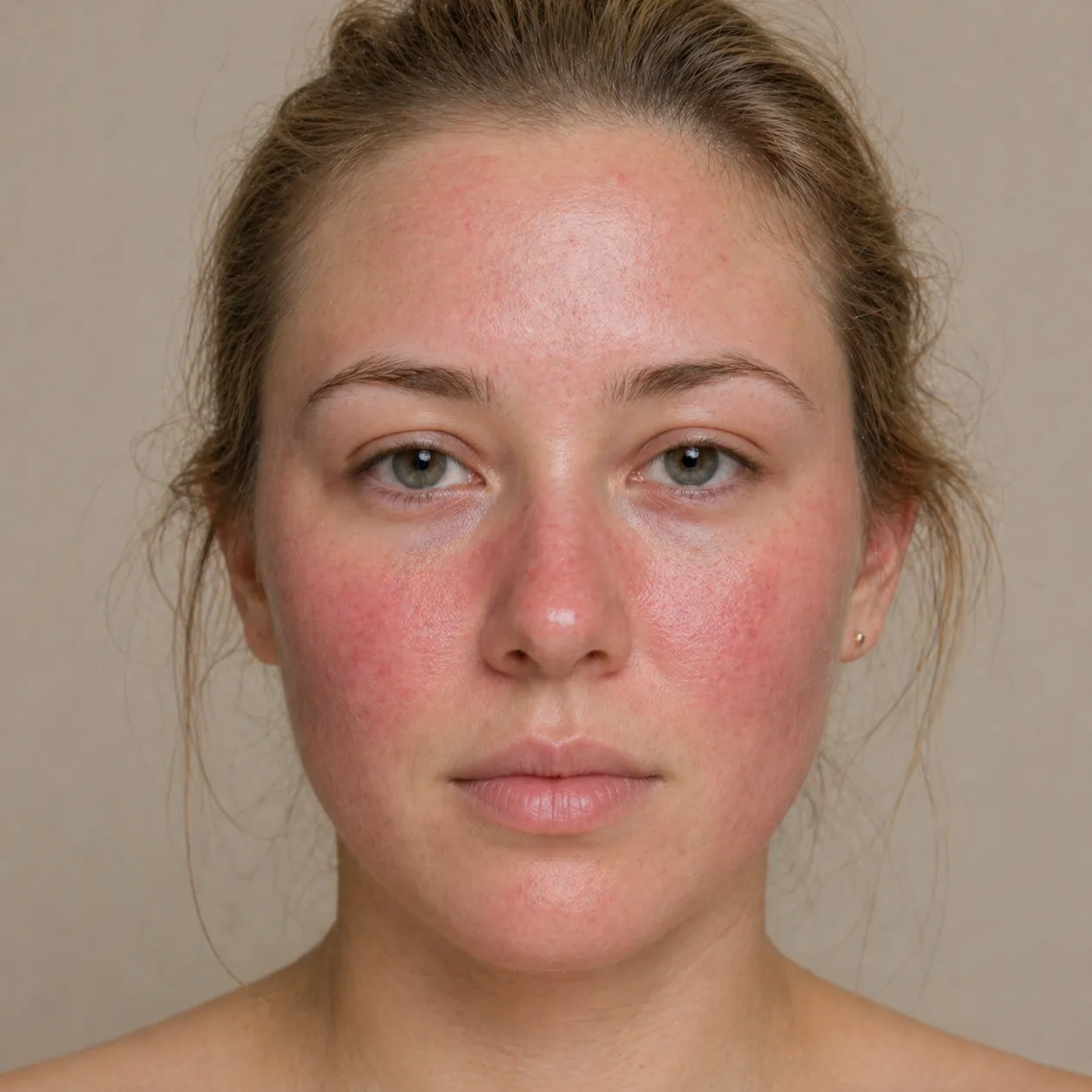
Recent rosacea reviews support gentle skincare, trigger control, and commonly studied topical options such as azelaic acid, ivermectin, metronidazole, brimonidine, and oxymetazoline.
Rough texture is often linked to uneven shedding, dryness, and barrier stress. Gentle exfoliants plus hydration tend to work better than harsh scrubs.
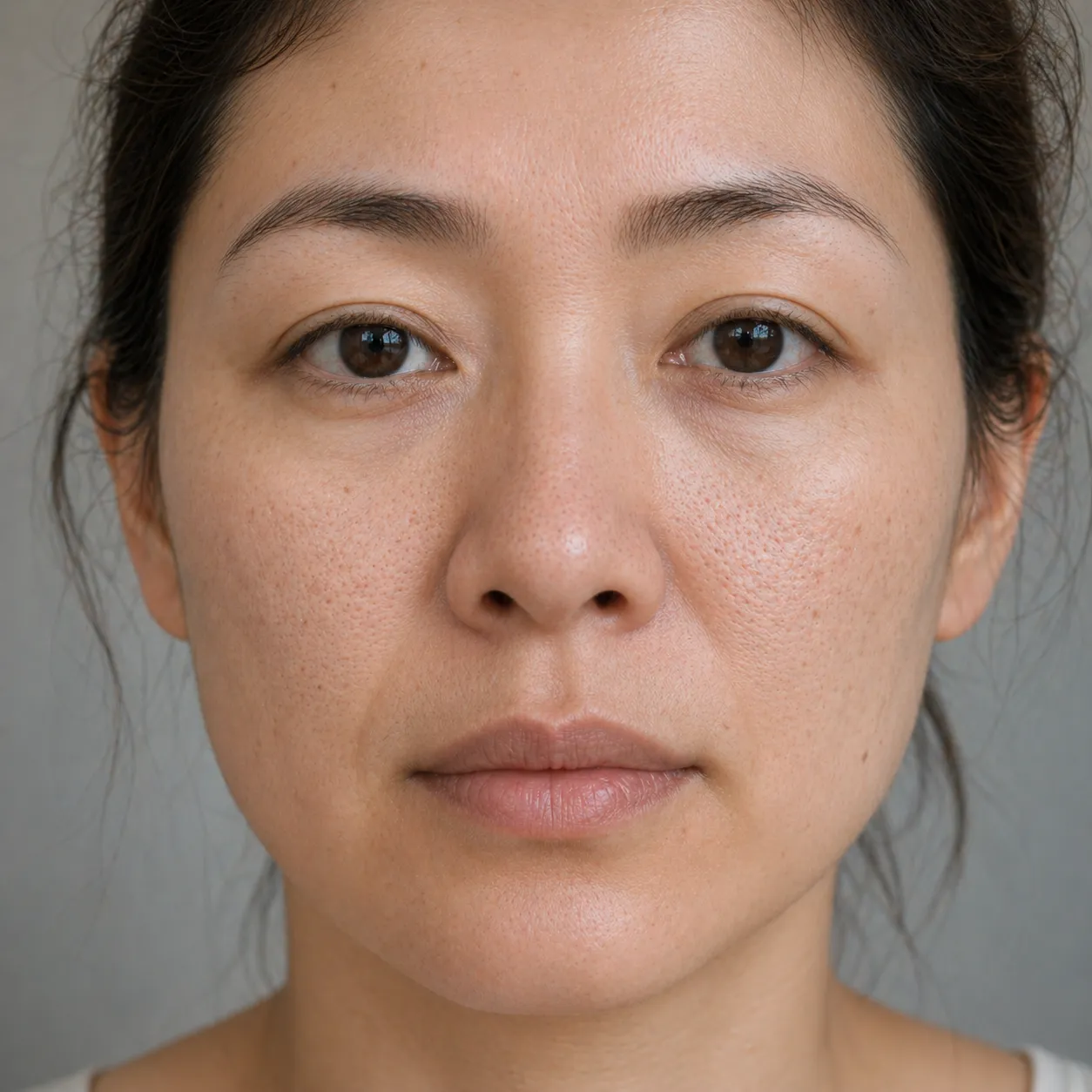
Pore appearance is influenced by sebum, congestion, photodamage, and loss of firmness. Oil-control and renewal ingredients can visibly refine the look.
Over-cleansing can weaken the barrier and trigger more discomfort. Current cosmetic science favors oil-control with barrier-friendly hydration.
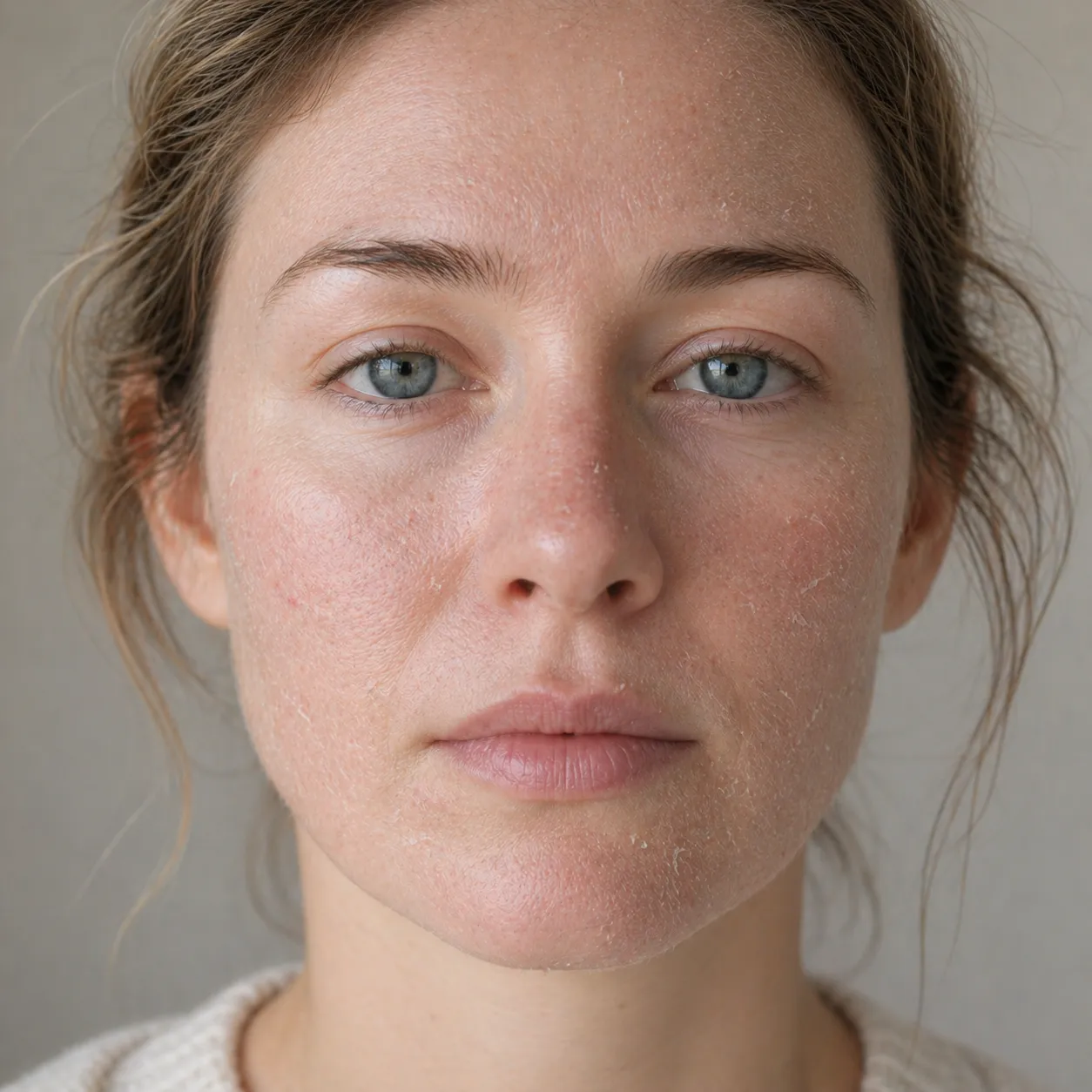
Modern barrier-care research focuses on reducing water loss and restoring comfort with humectants, lipids, ceramides, glycerin, and oat-derived soothing ingredients.
Sensitivity is commonly associated with barrier disruption and sensory irritation. Fragrance-light, low-active, barrier-supportive routines are usually better tolerated.
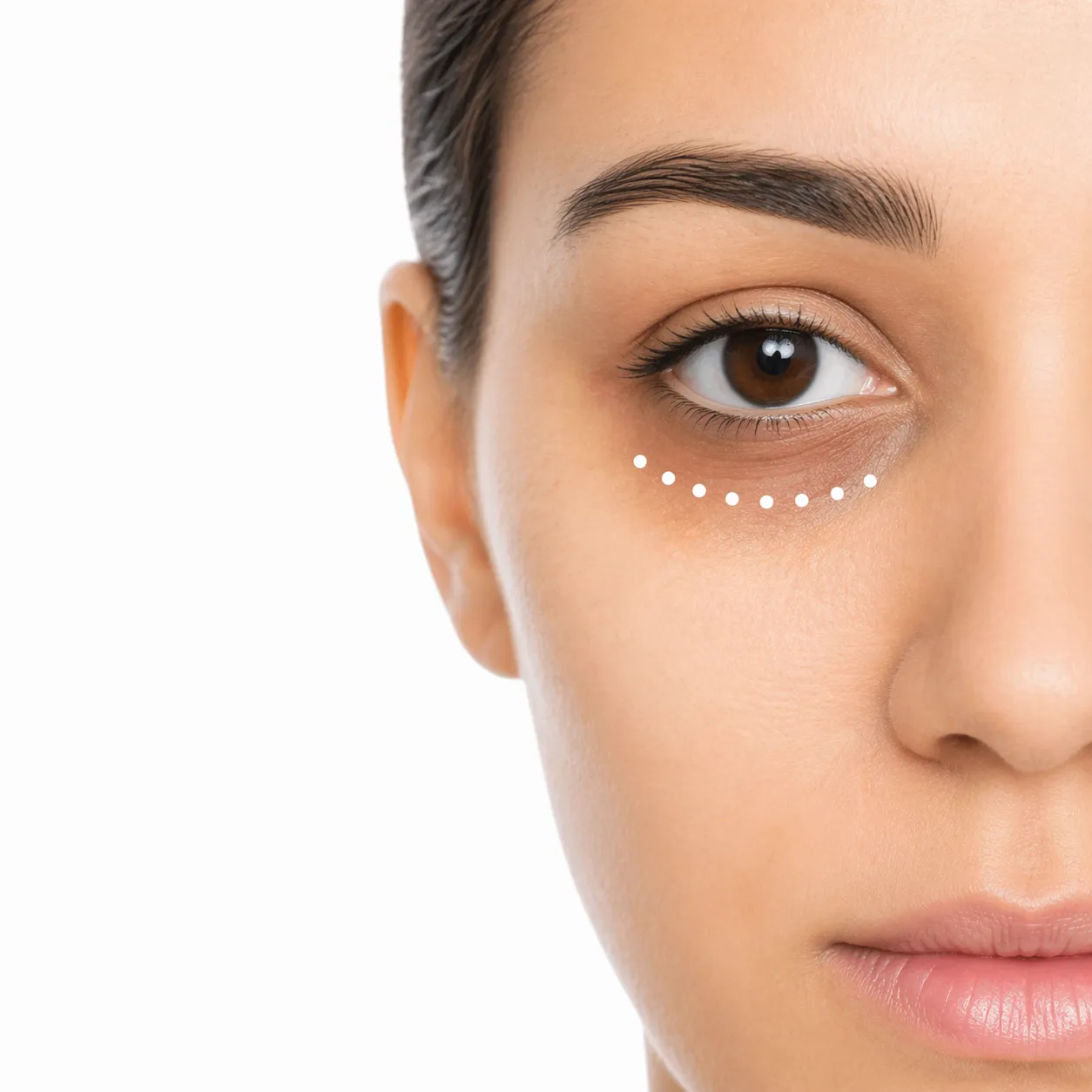
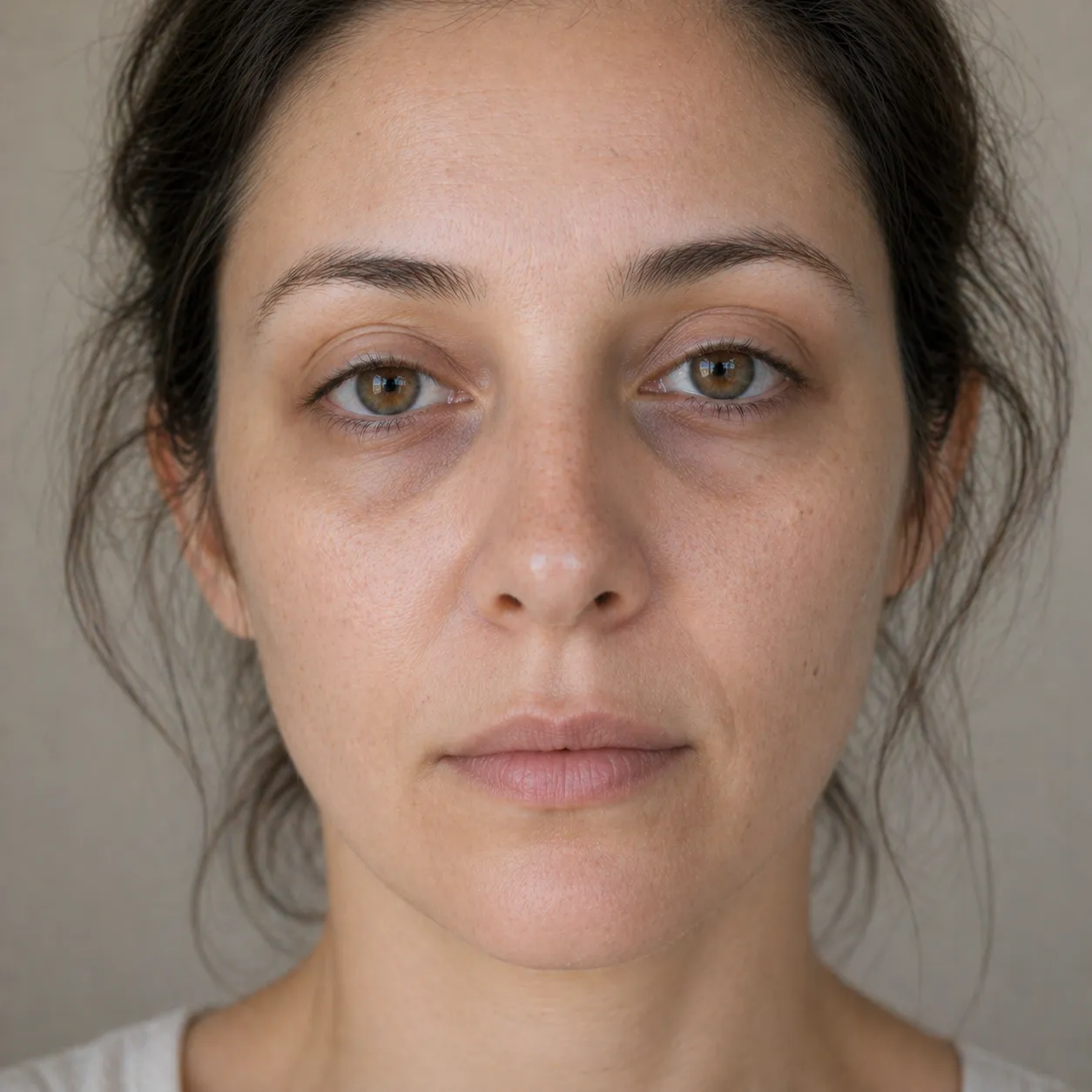
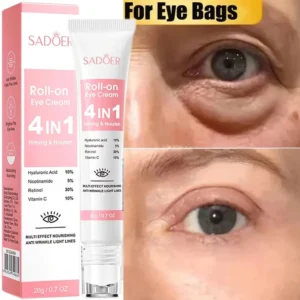
Recent periorbital studies show improvement with topical blends targeting hydration, elasticity, puffiness, pigmentation, and visible shadowing.
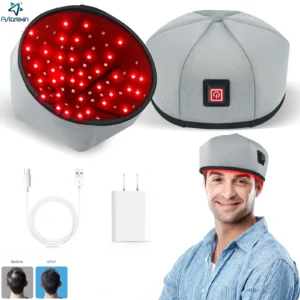
Recent hair-loss research still emphasizes proven daily routines, scalp health, inflammation control, and long-term adherence rather than one-time fixes.
Recent scalp research supports antifungal and keratolytic shampoo actives such as ketoconazole, selenium sulfide, zinc pyrithione, salicylic acid, and soothing barrier care.
Fatigue can relate to sleep quality, nutrition gaps, hydration, activity level, stress, and metabolic health. Support works best when it avoids stimulant-only thinking.
Bromhidrosis research focuses on reducing odor-causing bacterial breakdown, managing sweat, and choosing low-irritation deodorant or antiperspirant strategies.
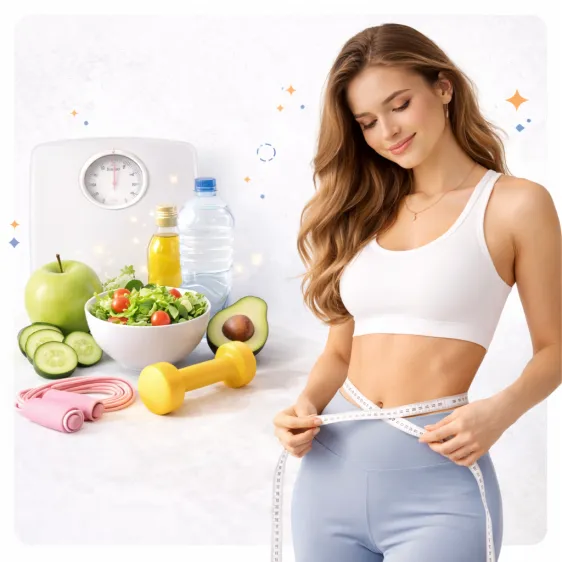
Recent obesity and lifestyle research continues to support nutrition quality, physical activity, sleep, and behavior change as the foundation of weight management.
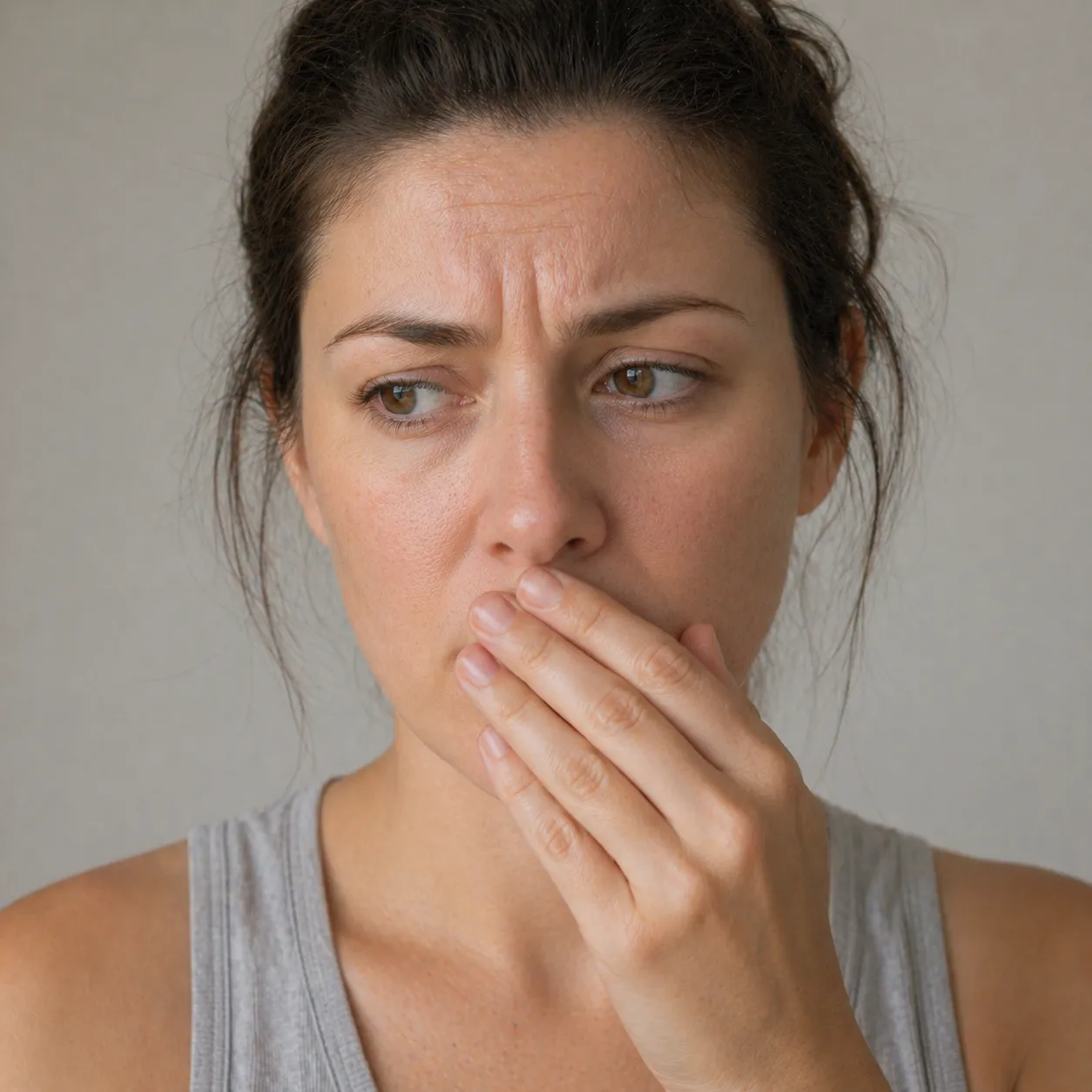
Halitosis research continues to support tongue cleaning, interdental hygiene, and targeted rinses for reducing volatile sulfur compounds and oral microbial imbalance.
Hyperhidrosis guidance commonly starts with topical antiperspirants and may escalate to anticholinergic options, botulinum toxin, iontophoresis, or device-based therapy when needed.
The WHO 2024 guideline recommends evidence-based cessation options such as varenicline, nicotine replacement therapy, bupropion, and cytisine, especially with behavioral support.
Choose from the list of categories, or use the AI Advisor smart assistant and answer questions to find the right product.
Select the product type, specifications, and shipping destination to check availability. You can share the product via Facebook and WhatsApp icons, leave a comment, receive automatic discounts, and then add it to your shopping cart.
Enter the buyer’s address in Latin characters. If the purchase address is different from the shipping address, enter the shipping address (as in the case of a gift). Complete the checkout process as required, and you will receive a tracking message.